
Collegiate Coaching: The Importance of Sleep
Here I go again, writing on a plane or in an airport. Despite time off from my full time position at a college counseling center, I have managed to cram in ample travel. Pros: I get to have fun, see…

Here I go again, writing on a plane or in an airport. Despite time off from my full time position at a college counseling center, I have managed to cram in ample travel. Pros: I get to have fun, see…

A ketogenic diet (KD) refers to any dietary pattern that results in the body being in a ketogenic state of metabolism. Most classically, ketogenic diets are high in fat, moderate in protein, and low in carbohydrate. The idea is that…

If you play a fall sport, pre-season is just around the corner and that means it’s time to kick your conditioning program into high gear. Field sports such as soccer, field hockey, and football, utilize movements that vary in speed,…

Greetings from AWP’s Executive Coaching team! We hope you are taking advantage of the warm weather by spending time refueling with family and friends outdoors. We know many of you work in highly intensive environments – be sure to use…

“A body free from nervous tension and fatigue is the ideal shelter provided by nature for housing a well balanced mind, fully capable of successfully meeting all the complex problems of modern living.” ~Joseph Pilates Pilates was developed to unify…

"Focused attention" involves sustaining attention moment by moment on a chosen object or task. This is the most common type of mindfulness practice. This sort of attention can be honed through simple practices. For example, taking 5 minutes to observe the details of an…

Meditation is an extremely valuable skill, both for the athlete and the professional business person. Because of this, these days it is used not only by monks and yogis, but also leaders, executives, and professional athletes. Brain chemistry in experienced…
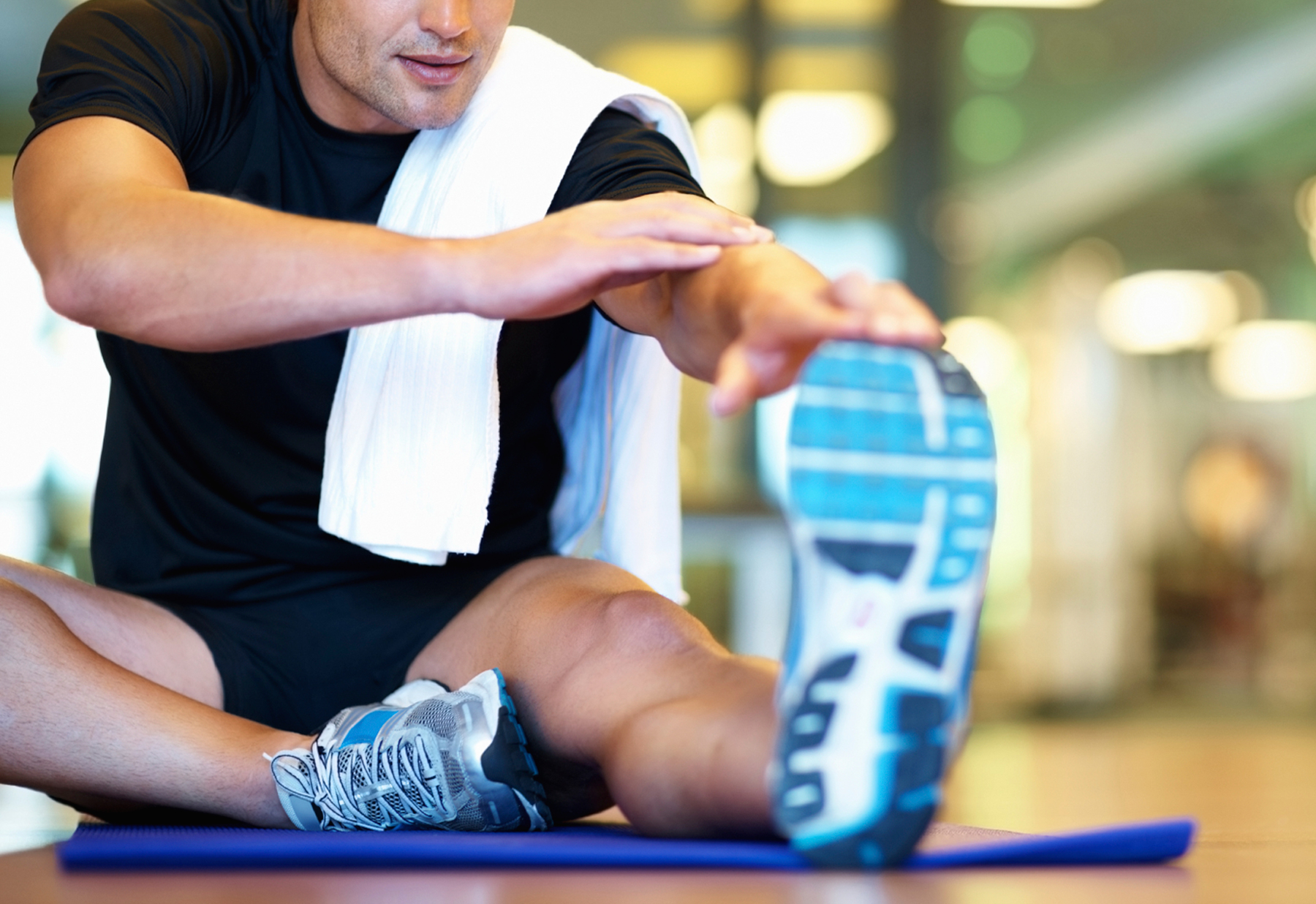
I’m not going to lie, I’m tired. I work six days a week well over 60 hours when I factor in commutes and extra time I spend on work or my own professional development when not at work. I am taking a 5 week online course to enhance my competence in exercise physiology. I consider training for upcoming endurance events a part time job due to the requirements to do it well (meal prep, getting to bed early, figuring out when I can fit workouts into my schedule). I’m also writing this following a week long trip for a conference in New Orleans where I presented twice in one day. Coupled with the heat, 12+ miles of walking to sight-see a few days, keeping up with workouts as I am two weeks out from a half marathon, and travel in general…exhausted might be a better descriptor at this present moment.
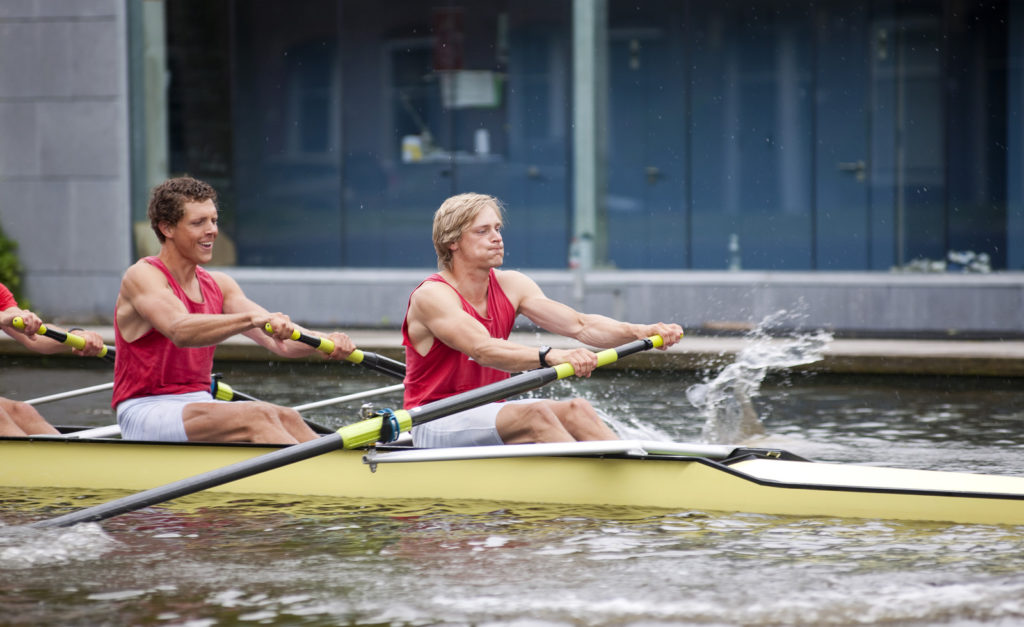
A recent USA Today story highlighted the mental health struggles of numerous star athletes, including NBA legend Jerry West, New York Giants wide receiver Brandon Marshall, Olympic swimmer Allison Schmitt, WNBA center Imani Boyette, and history’s most decorated Olympian, Michael Phelps.

Athletes are in the spotlight. If something isn’t working on the field, the ice, the court, or in the boat, it has to do with the athlete, right? It is easy to look at what is in front of you and believe that is where the course correction is needed. Often, the “invisible players” have a much larger role than is considered. These can include: the team dynamic, the environment of the organization, politics within the athletic department, and coaches. These are often last to be looked at, if at all. Truth be told, they can have a much greater impact on performance results than one individual athlete alone.